

INDYNR.COM
In the past the state’s Cattle Tick Program focused on properties that self-reported cattle tick. The Independent Biosecurity Commissioner has found this is not an effective way to get rid of cattle ticks.
The State Government is increasing protection for the beef and dairy industries with the release of the Cattle Tick Strategy to reinvigorate the Cattle Tick Program.
In the three financial years from 2026/27 the State Government will invest $21million on cattle tick management.
The strategy’s goals will be achieved by a new best practice approach of dealing with this biosecurity problem with a landscape wide approach rather than by individual farms, recognising that cattle ticks infest a region and don’t stop at the fence line.
This risk-based geographic approach will section NSW into high, medium and low-risk areas, with resources directed to focus on the high and medium risk areas. 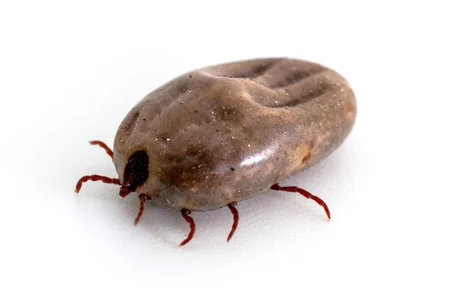
The strategy will drive operations in the next six years to:
Reduce the number of cattle tick-infested properties in the Northern Rivers region and decrease the size of the area containing cattle tick-infested properties.
Support producers with a targeted surveillance, treatment and on-ground response.
Survey a region and determine independently if cattle tick is found across an area.
Implement area wide movement controls where required to prevent the spread of cattle tick from infested properties within and outside an area.
Upgraded treatment schemes will then be implemented to remove cattle tick from the infested properties and area.